How to start a skincare brand as a creator or influencer
Your audience is a head start, not a business plan. Here are the steps from the first poll to the first shipment, the cash at risk at the minimum order, and the rules creators often miss.
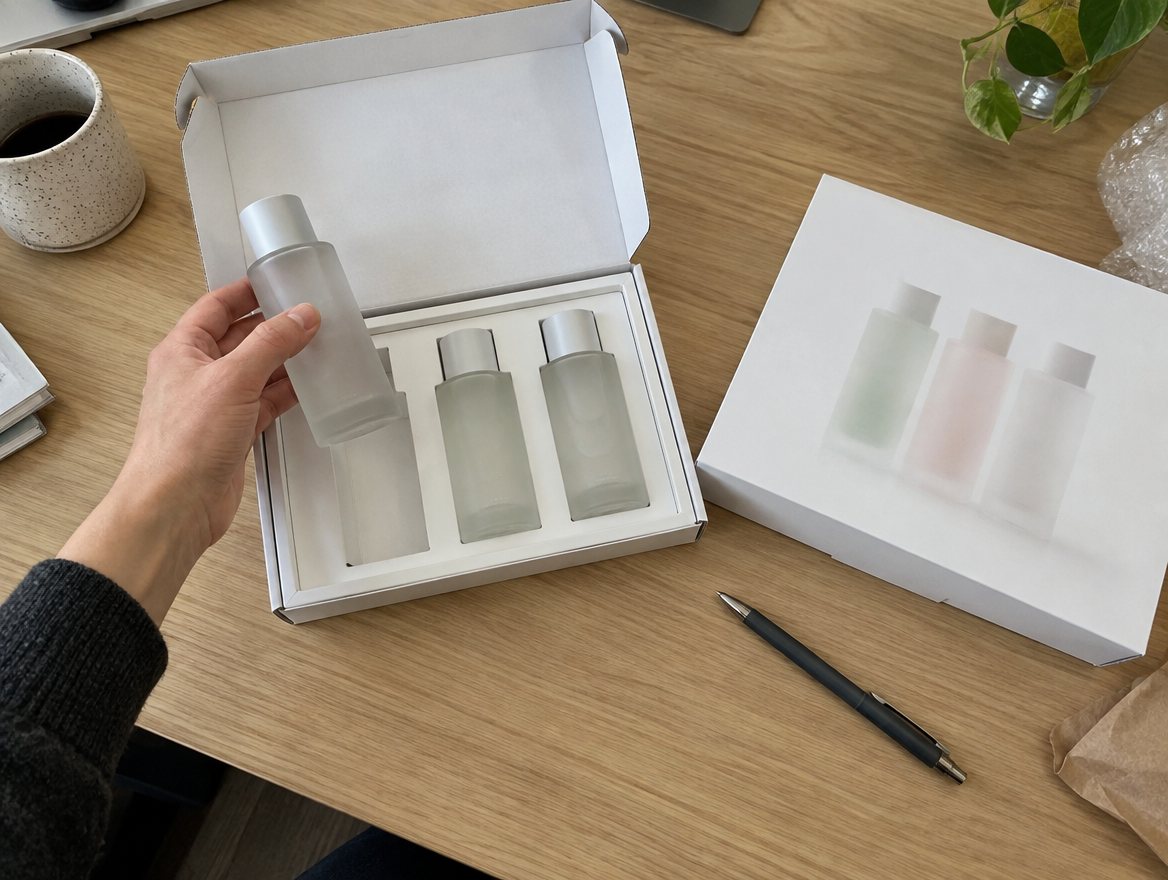
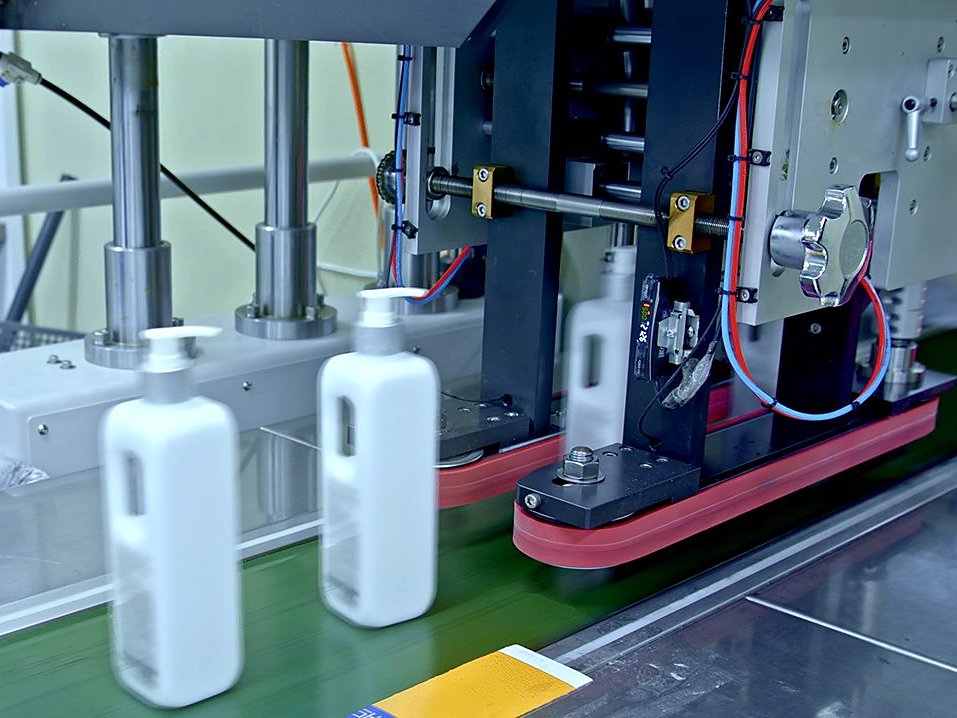
To start a skincare brand as a creator, test demand with your audience first, launch one hero product instead of a full line, and work with a manufacturer that has a small minimum. With a ready formula, a first run of 500 serums starts from $1,850 at KoreanOEM and takes about 10 weeks. Your audience is a head start; the selling is still yours.
This guide walks through the six steps in order, with the money and the rules at each one. There are no shortcuts in it, and no promises: what your followers do with a real product is the only test that counts.
Step 1: find out what your audience will actually buy
Likes are cheap; money is not. Look for signals that cost your audience something.
- The questions they already ask. Scroll back through comments and messages. Repeated questions about one skin concern, texture or routine step point to a product.
- A poll with a price in it. "Would you buy a hydrating serum at around $30?" tells you more than "Would you like my own skincare?"
- A waitlist. An email sign-up is a stronger signal than a poll vote, and it gives you a way to reach buyers that no algorithm controls.
If you plan to take pre-orders, know the rule first. In the US, the FTC's Mail, Internet, or Telephone Order Rule says you need a reasonable basis for any shipping date you state, or for shipping within 30 days if you state none. If you learn you cannot ship on time, you must ask customers to agree to the delay or give a prompt refund.
Step 2: one hero product, not a full routine
A single product keeps the cash at risk low, the story clear and the content easy to make. Choose the product your audience asks about most, and a format that suits it:
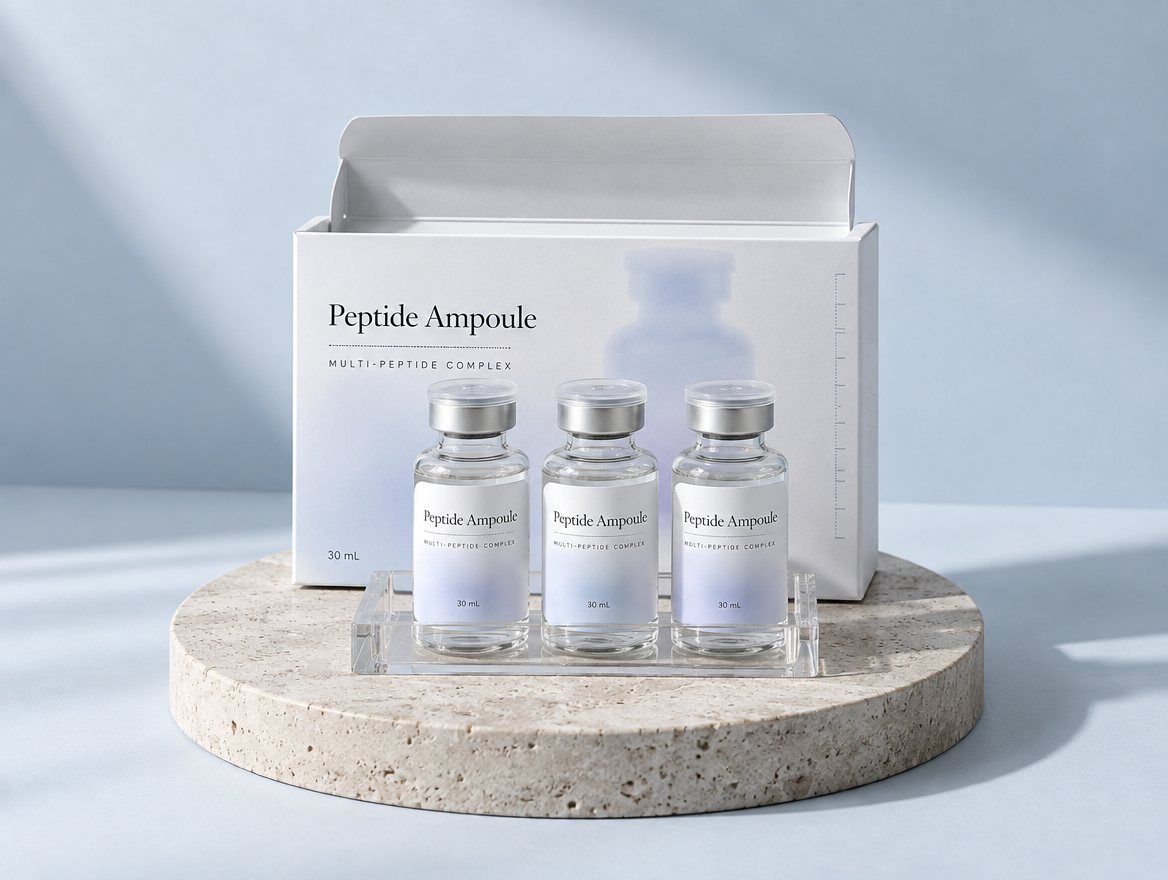
- A serum is a simple first product: a small bottle, a clear purpose and easy to show on camera.
- Sheet masks work well for bundles, gifts and giveaways, with a minimum of 1,000 units.
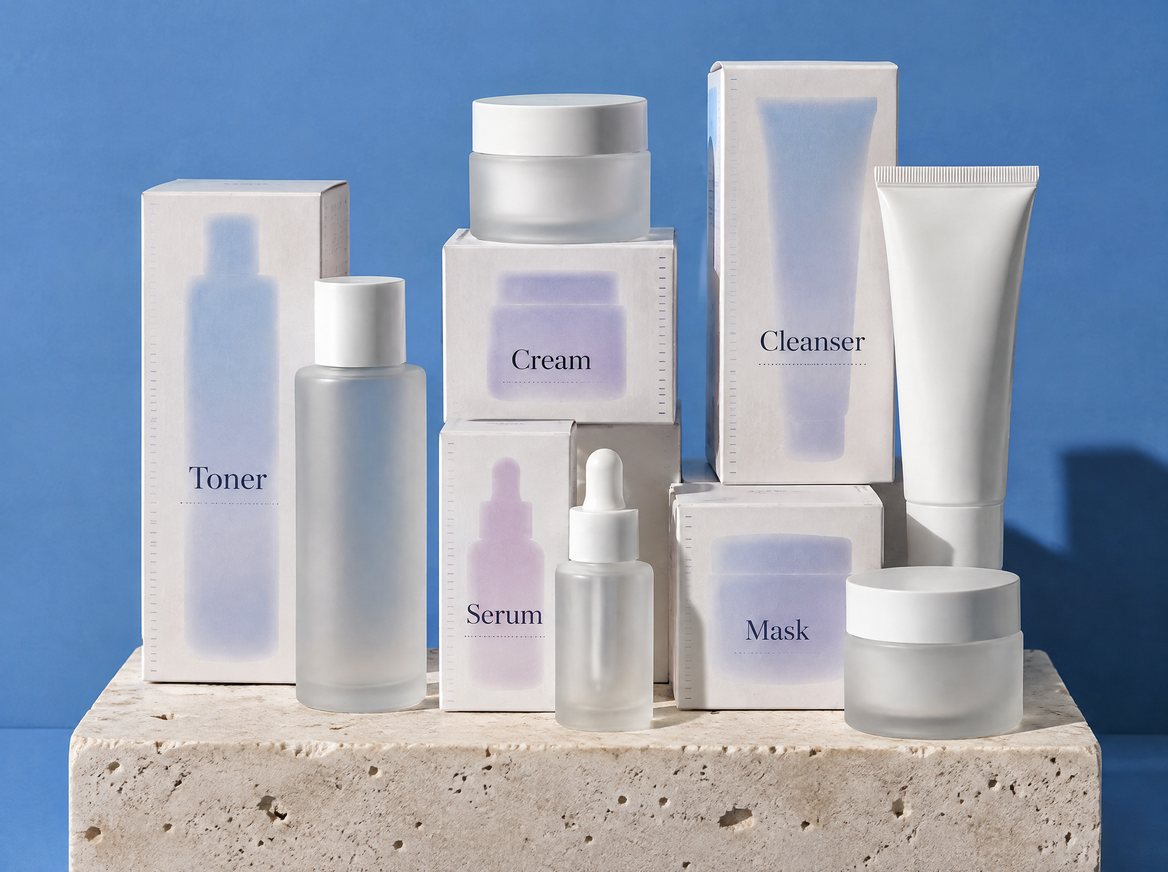
- A small routine of cleanser, serum and cream shares one look, but triples the minimum orders.
A ready library formula is the fastest route: samples in about two weeks and about 10 weeks from brief to finished goods. A custom formula takes 12 to 16 weeks and carries a small development fee, credited against the first order, and the formula stays yours. You can browse the formula library before you decide.
Step 3: the money, and the cash at risk
Here is what a first run of one serum takes, with our starting prices and the outside costs most creators forget.
| Item | First-run figure | Notes |
|---|---|---|
| 500 serums, filled and labeled | From $1,850 | Library formula, stock bottle, one-color label |
| Printed box or custom decoration | Quoted separately | Optional for a first run |
| Freight | Quoted with the order | Air about 5 to 10 days |
| US import duty | 12.5% of the goods value | For Korean skincare, as of September 2026 |
| US trademark filing | $350 per class | USPTO fee, plus a lawyer if you use one |
| Barcodes | $30 per GTIN from GS1 US | Needed to list on Amazon |
| Photos, website, insurance | Your own quotes | Get them before you order |
You pay us a deposit when you order and the balance before shipment, never full prepayment. Before you order, work out how many units it takes to get your cash back: total cash out, divided by what each sale leaves after landed cost, fees and shipping. For example, if you spend a hypothetical $3,000 in total and each $38 sale leaves $27, you need about 112 sales to break even. If your waitlist is smaller than that, grow it first or start smaller. Our guide on how to price skincare products shows how to set the price that goes into this sum.
Step 4: name, trademark and label
Search the trademark register before you announce a name, and file before you print packaging. In the US the USPTO base fee is $350 per class, and skincare is in Class 3. A pending or registered trademark is also what Amazon asks for before you can join Brand Registry.
Your label carries legal duties, not only your logo. In the US it needs the product identity, net quantity, ingredients in order, your business name and place of business, and a US address, phone number or website for adverse event reports. We adapt your logo and write a compliant label for your market, and you approve it before anything is printed.
Keep claims cosmetic. A serum can hydrate or help the look of dull skin; it cannot treat acne or heal anything. A product that promises to treat a condition is regulated as a drug.
Step 5: plan your content around the timeline
Ten weeks is a content calendar, not a wait. A simple plan with a library formula:
| When | Production | Your content |
|---|---|---|
| Week 0 | Brief sent, written quote within 1 business day | Ask your audience about the problem you want to solve |
| Weeks 1 to 2 | Lab samples arrive | Test the samples on camera and share honest notes |
| Weeks 2 to 4 | Sample approved, label and box artwork | Reveal the name and packaging, open the waitlist |
| Weeks 4 to 10 | Production, stability, challenge and patch tests | Behind the scenes, ingredient explainers |
| After shipping | Air 5 to 10 days, or sea 4 to 6 weeks | Launch when stock is in hand |
When you talk about your own product, say it is yours. The FTC tells influencers to disclose any financial, employment, personal or family relationship with a brand, and it notes that financial relationships are not limited to money. Owning the brand is a financial relationship, so a clear "my brand" in the caption or video does the job.
Step 6: where to sell, and what happens after the sale
Your own online store keeps the customer relationship and the email list, which makes it a natural place to start. Amazon and TikTok Shop add reach, and each has its own seller rules and fees, so read them before launch. Our guide to launching on Amazon US covers Brand Registry, barcodes and FBA shelf life.
After the sale, the brand on the label is the responsible person under US law. That means listing each product with FDA and reporting any serious adverse event to FDA within 15 business days. We prepare the MoCRA listing for your products, and the label contact makes sure reports reach you.
What can go wrong, and how to limit it
- Unsold stock. Size the first run to your waitlist, not your follower count. Our reorders take 4 to 6 weeks, so you can restock instead of overbuying.
- Late stock. Set the launch date after the goods arrive, or state an honest shipping date on pre-orders.
- Skin reactions. Patch tests are planned into every project, and a clear usage note and adverse event contact on the label help customers reach you.
- Claims that go too far. A caption can turn a cosmetic into a drug in the eyes of a regulator. Stick to how the product looks and feels.
More on what we make for creators, with three example first launches, is on our page for influencers and creators.
Frequently asked questions
How much does it cost an influencer to start a skincare line?
Do I need to disclose that I own the brand?
Can I take pre-orders before the stock arrives?
Should I launch one product or a full routine?
Sources
- FTC: Disclosures 101 for social media influencers
- FTC: Business guide to the Mail, Internet, or Telephone Order Merchandise Rule
- USPTO: Fee schedule
- GS1 US: Get your UPC barcodes
- FDA: Modernization of Cosmetics Regulation Act of 2022 (MoCRA)
- 21 U.S.C. 364a, serious adverse event reports
- USTR: Action in the forced labor Section 301 investigations (July 2026)