Private label skincare, explained.
Costs, minimums, factories, the rules in each country and product know-how, written by the team that quotes and makes the products.
Latest
 Regulations by countryK-beauty private label manufacturer for Dubai: how to launch a Korean-made skincare line in the UAEThe trade license, Dubai Municipality registration, MoIAT conformity, Arabic labels, halal and customs, in the order you meet them when your private label skincare is made in Korea.
 Products and ingredientsWhy Korean sunscreen is banned in the US, and what it takes to sell one legallyNo US law names Korean sunscreen. Sunscreen is a drug in the US, and only filters on FDA's list may be used. Here is what that means for shoppers, sellers and brands in 2026.
 Products and ingredientsWhy Korean skincare is so good, and when it is not betterA manufacturer's honest answer: what Korea does well, why prices can be low, where the science is thinner than the hype, and how brands abroad make their own.
Starting a brand
 Starting a brandPrivate label skincare for estheticians: how to start your own lineYour clients already trust your advice. Here is how to turn it into a small, compliant product line: what to make first, what it costs and a realistic 10-week plan.
 Starting a brandPrivate label skincare dropshipping: how it works, the real trade-offs and when to hold stockDropshipping lets you sell skincare under your brand without holding inventory. It also makes you answerable for a product you never touch. Here is the honest math, the rules and a middle path.
 Starting a brandIs a skincare business profitable? The real margins, channel by channelSkincare has high gross margins and thin net margins. Here is the math on one serum sold through your own store, on Amazon and wholesale, with 2026 fees and a break-even example.
 Starting a brandHow to start a skincare line with no money (or very little)You cannot make inventory for $0. You can test demand for almost nothing, launch one product at a small minimum, and let pre-orders pay part of the first run.
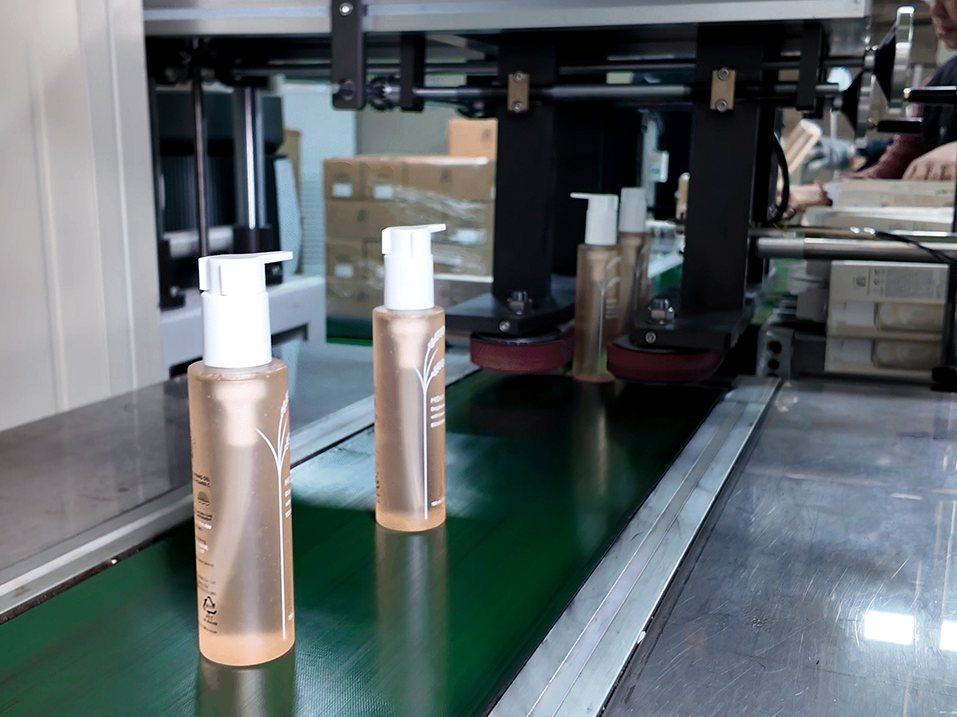 Starting a brandHow to import Korean skincare: resell existing brands or launch your ownThere are two ways to sell Korean skincare abroad. Here is what each involves with the FDA, US customs and marketplaces, with steps and a side-by-side comparison.
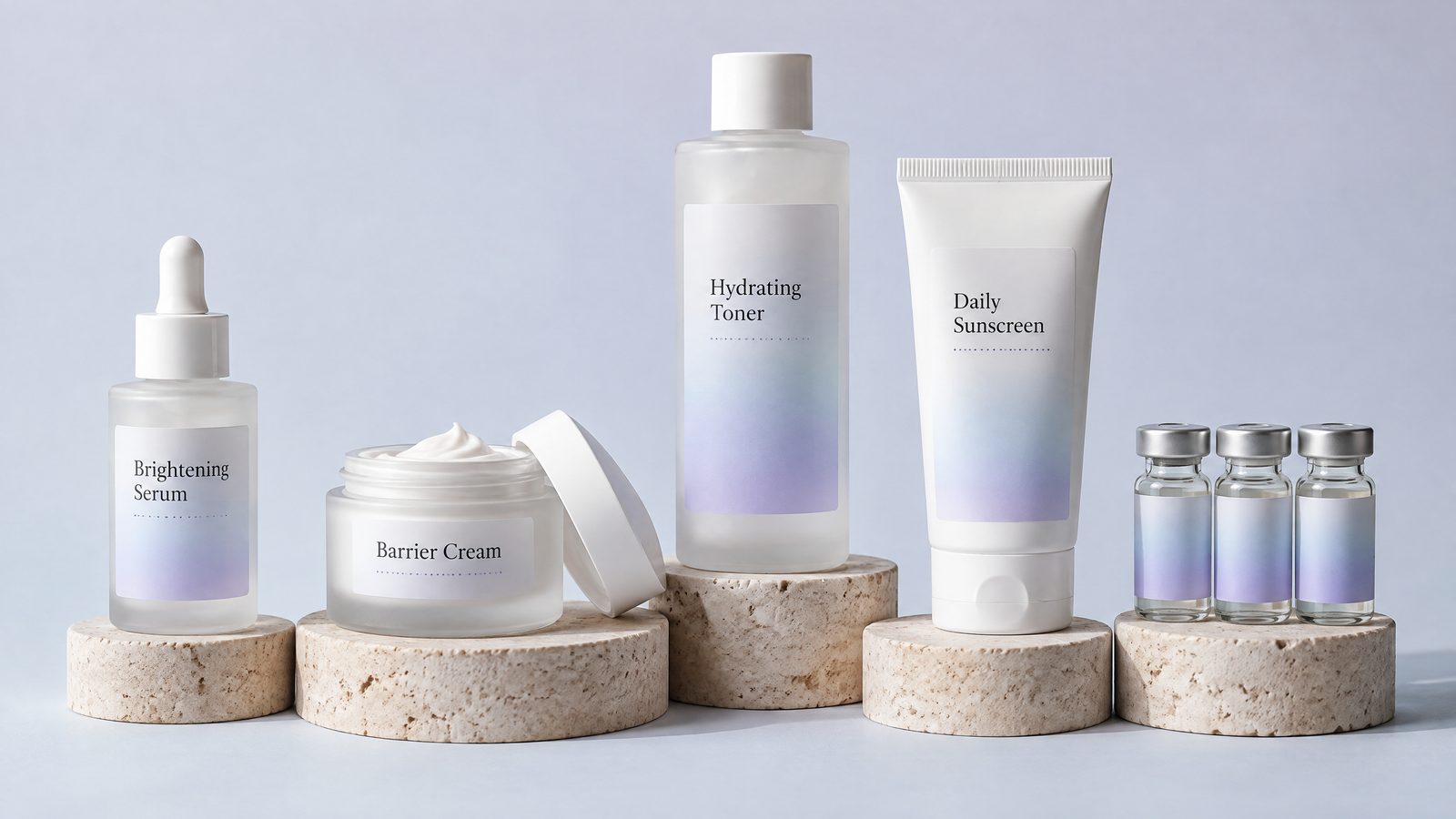 Starting a brandHow much does it cost to start a skincare line? A realistic 2026 budgetThree budget tiers for a first line, from one hero product to a full launch, with every cost itemized and labeled as a factory price, an official fee or a typical market range.
Manufacturing
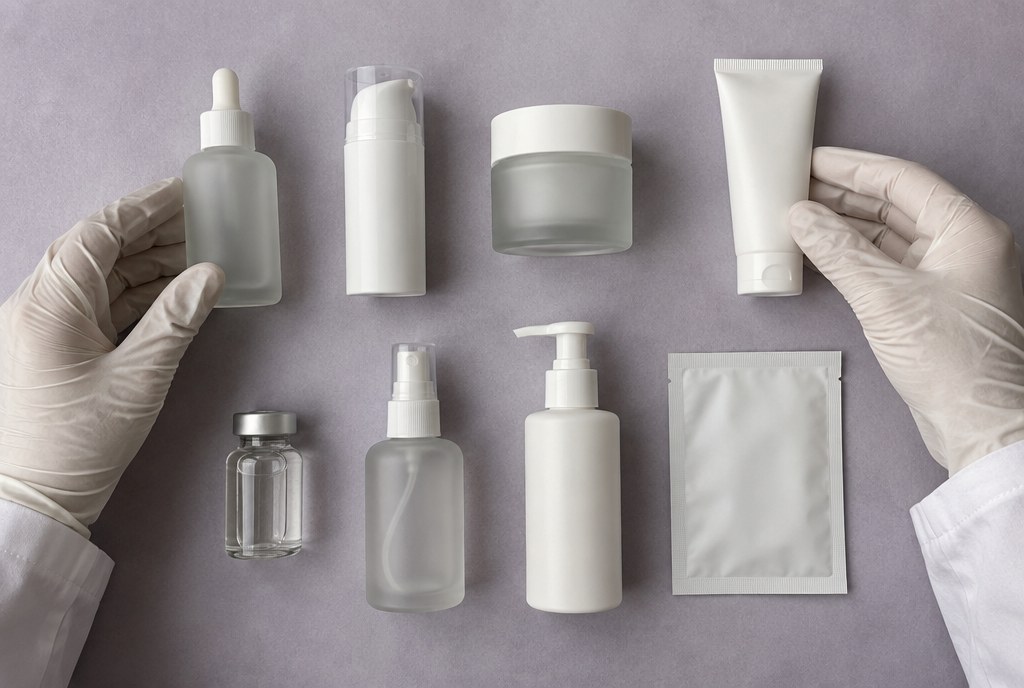 ManufacturingWhite label vs private label skincare: what each means and which one to chooseBoth put your brand on a product someone else makes. The difference is how much you can change, and whether anyone else sells the same thing. Here is a side-by-side, and a path from one to the other.
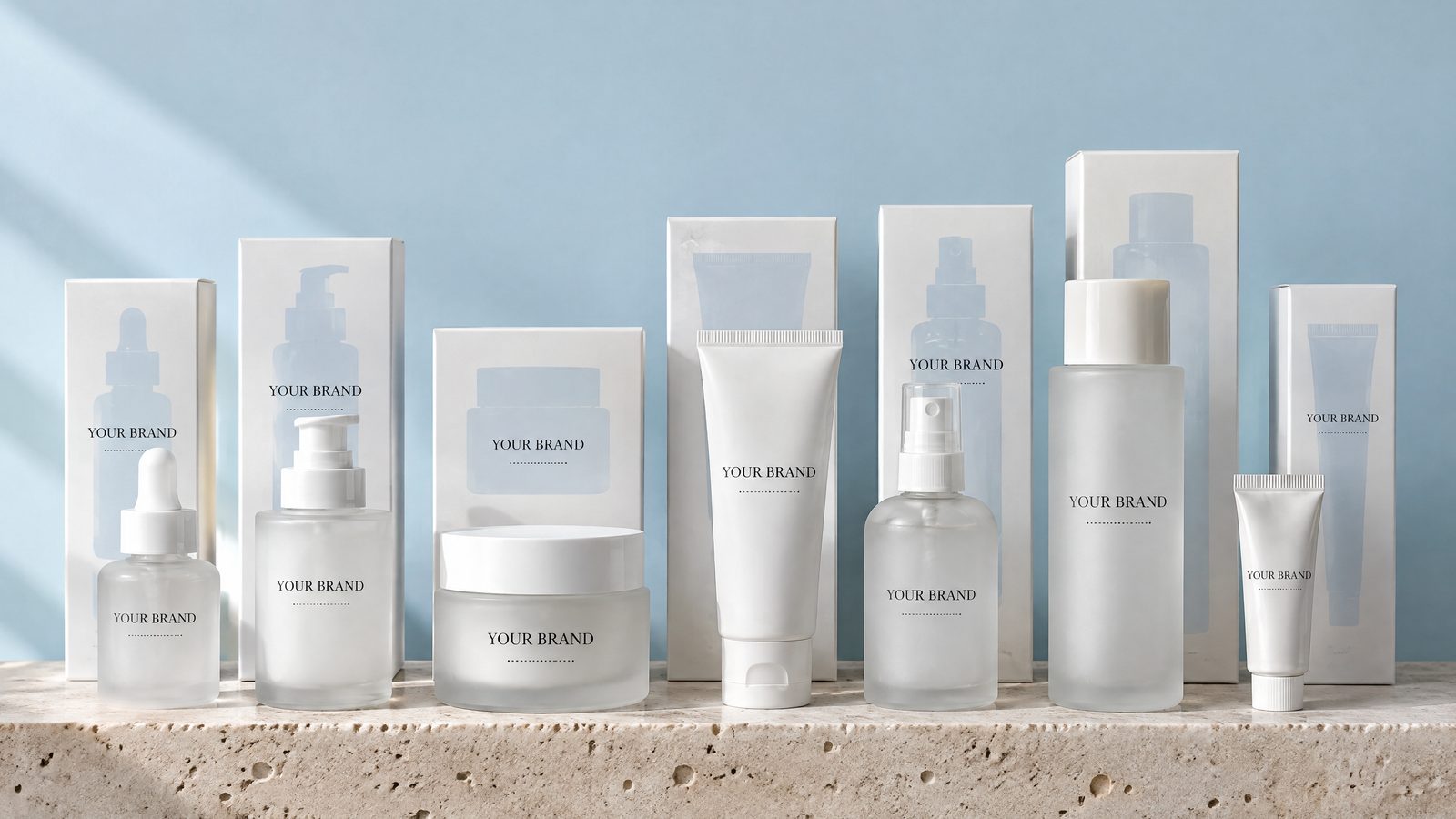 ManufacturingLow MOQ private label skincare: what the minimum covers and what a small run costsA low minimum on the formula means little if the bottle, the print or the box needs thousands of pieces. Here is how minimums stack up, what 500 units cost, and how to size a first run.
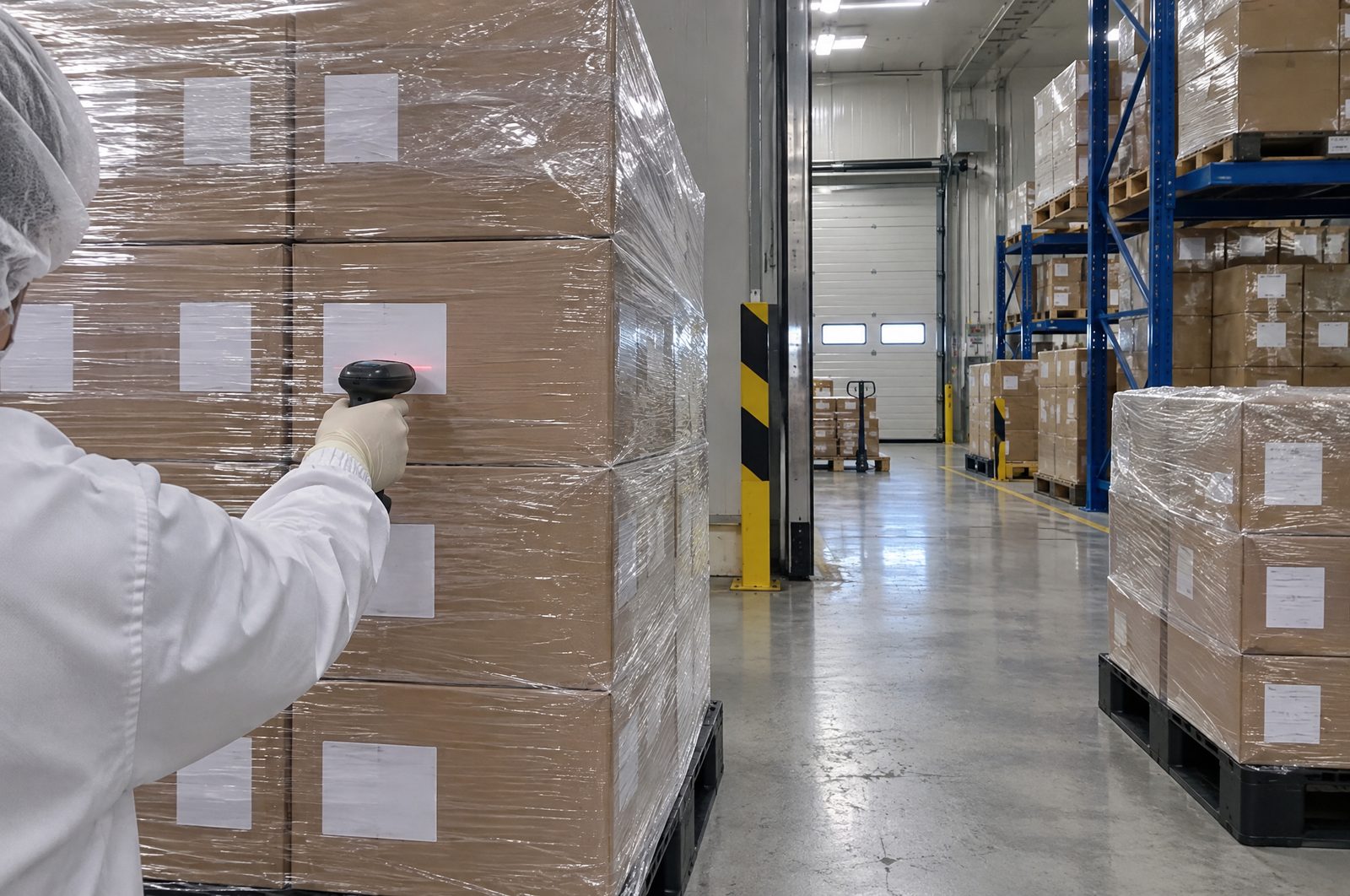 ManufacturingKorean skincare OEM 1,000 units cost: per-unit and total prices by productEstimated prices at 1,000 units for toner, essence, serum, ampoule, cream, foam cleanser, sheet masks and sunscreen, plus what is included, what adds cost and what a quote should list.
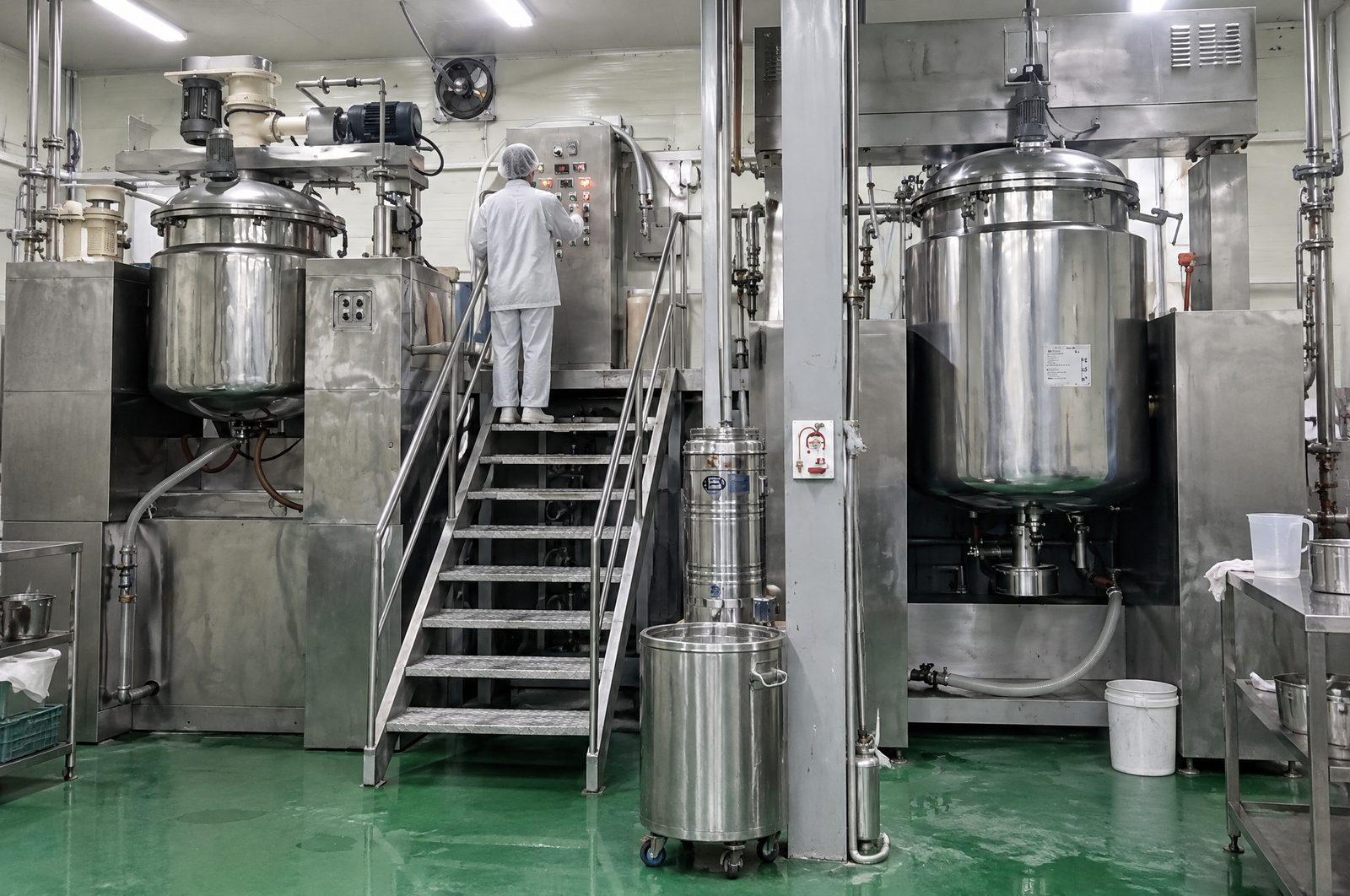 ManufacturingKorean skincare manufacturers: how the industry works and how to vet a factoryKorea has over 4,000 registered cosmetics manufacturers, from large ODM groups to small labs, plus agents who resell their capacity. Here is who fits which brand, and what to check before you sign.
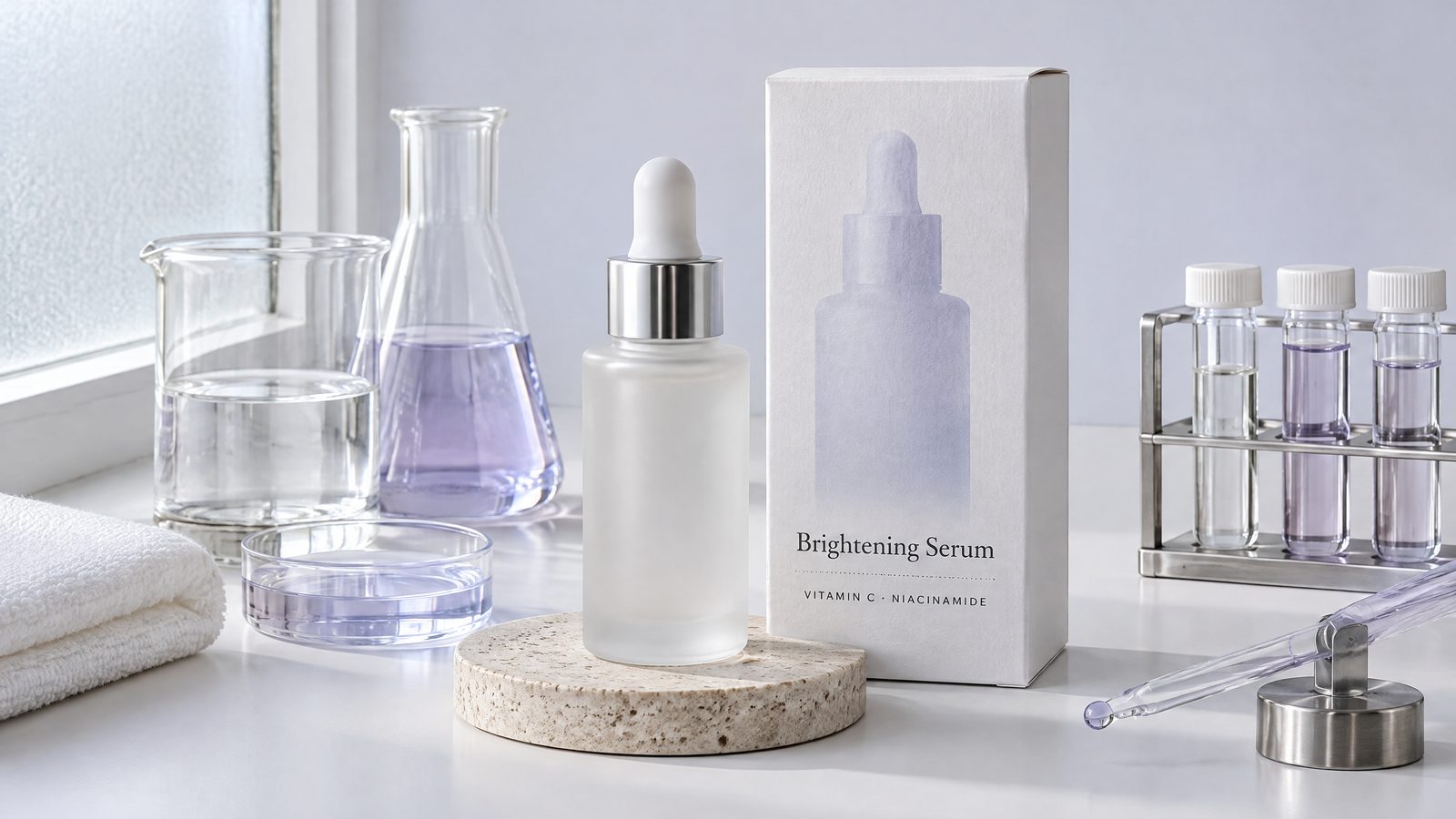 ManufacturingCustom skincare formulation: how a formula gets developed, how long it takes and who owns itA custom formula is built from your brief instead of adapted from one the lab already makes. Here is the process, a realistic timeline, a brief template and the traps that cost brands months.
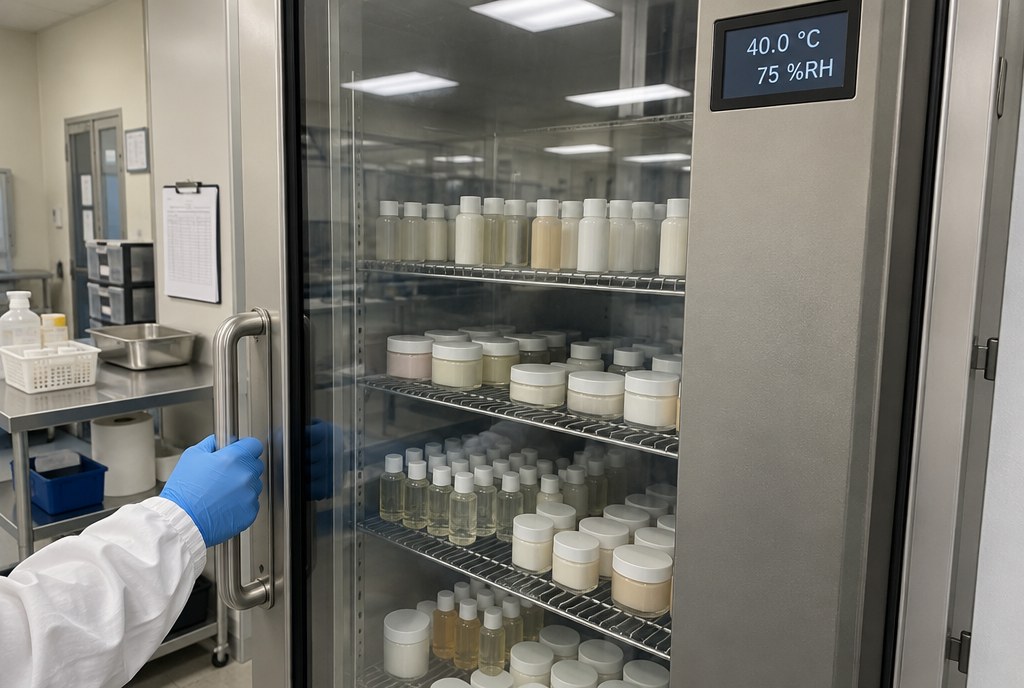 ManufacturingCosmetic stability testing: what it checks, how long it takes and how shelf life reaches the labelStability testing decides whether a formula survives shipping, shelves and bathrooms, and which date or symbol goes on the pack. Here is how it works, from test conditions to the challenge test and costs.
Regulations by country
Regulations by countryK-beauty private label manufacturer for Dubai: how to launch a Korean-made skincare line in the UAEThe trade license, Dubai Municipality registration, MoIAT conformity, Arabic labels, halal and customs, in the order you meet them when your private label skincare is made in Korea.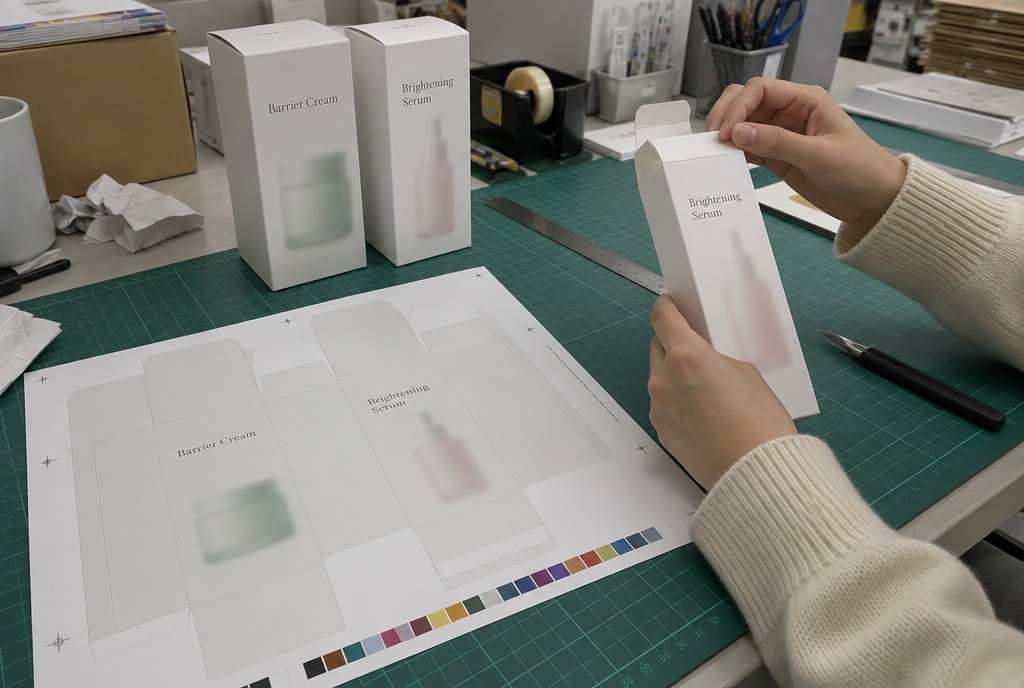 Regulations by countryWhat is a CPNP number, and what does it prove about a cosmetic?A CPNP number is the reference the EU's free notification portal gives a cosmetic once its Responsible Person has notified it. It shows the product was notified, not that anyone approved it.
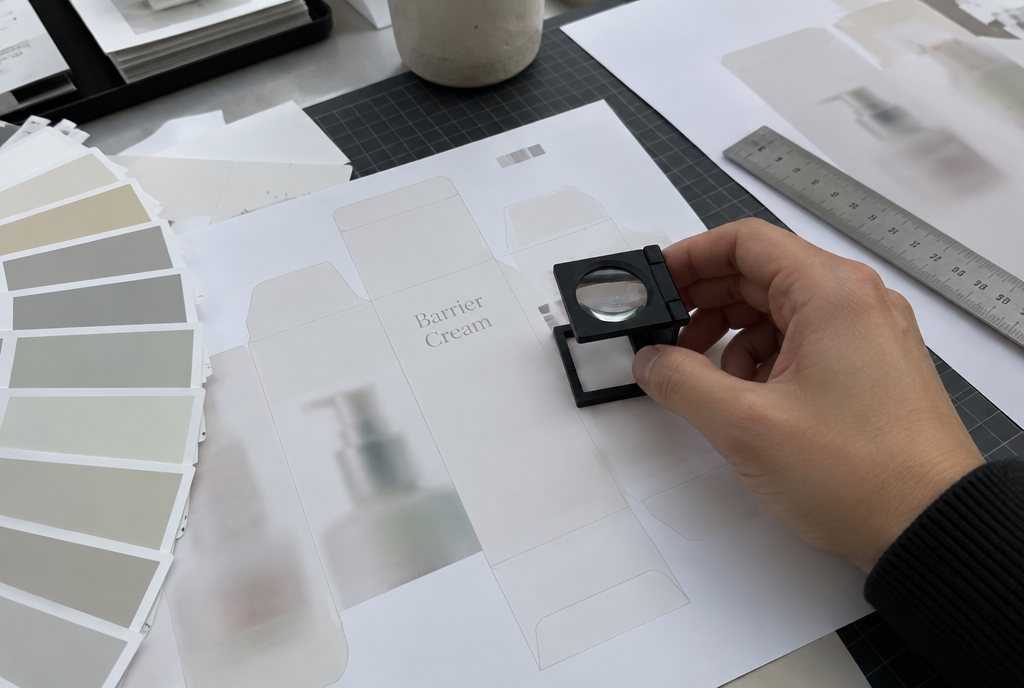 Regulations by countryMoCRA registration for skincare brands: who registers, who lists, and what it costsThe factory registers, your brand lists, and FDA charges nothing for either. Here is how MoCRA splits the work when your skincare is made in Korea, and which rules are still to come.
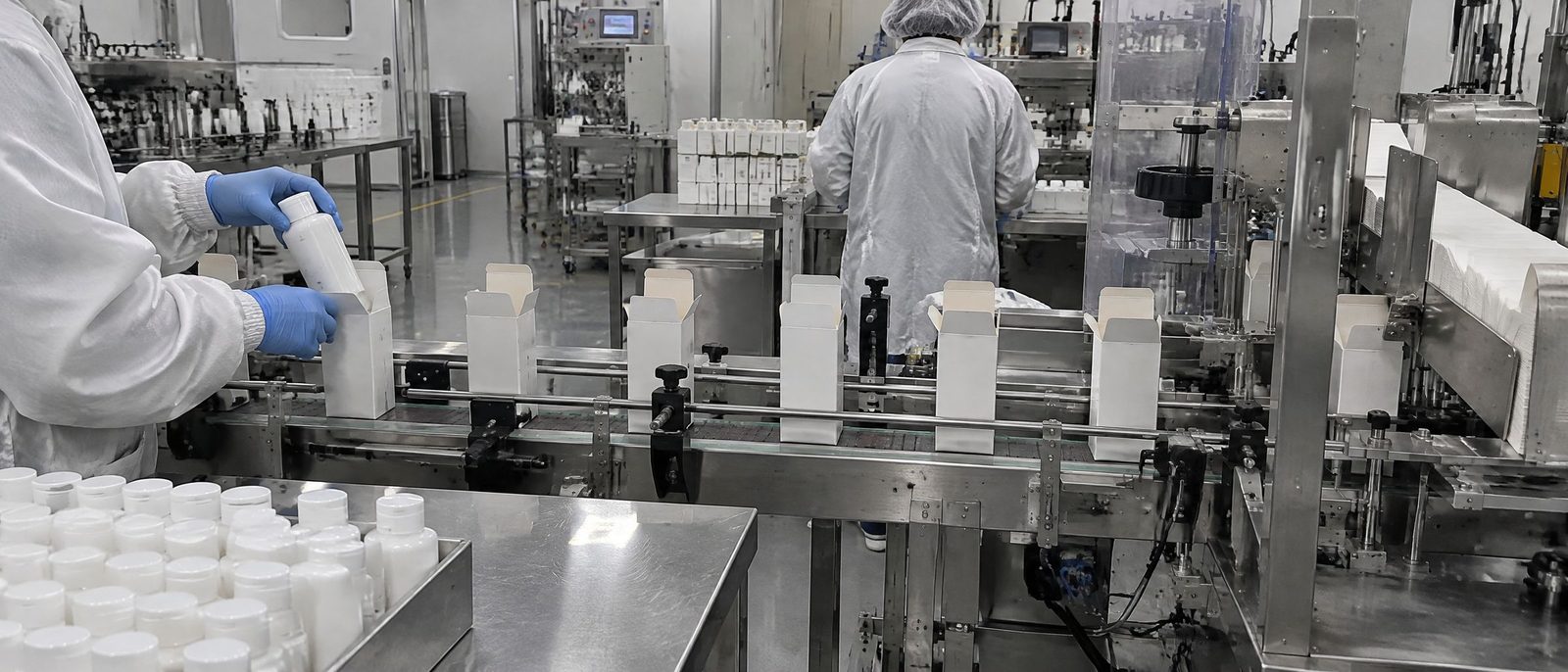 Regulations by countryHow to start a skincare line in Canada with products made in KoreaHealth Canada's rules, the bilingual label, customs and duty, and a realistic first budget, in the order you will meet them when your skincare is made in Korea.
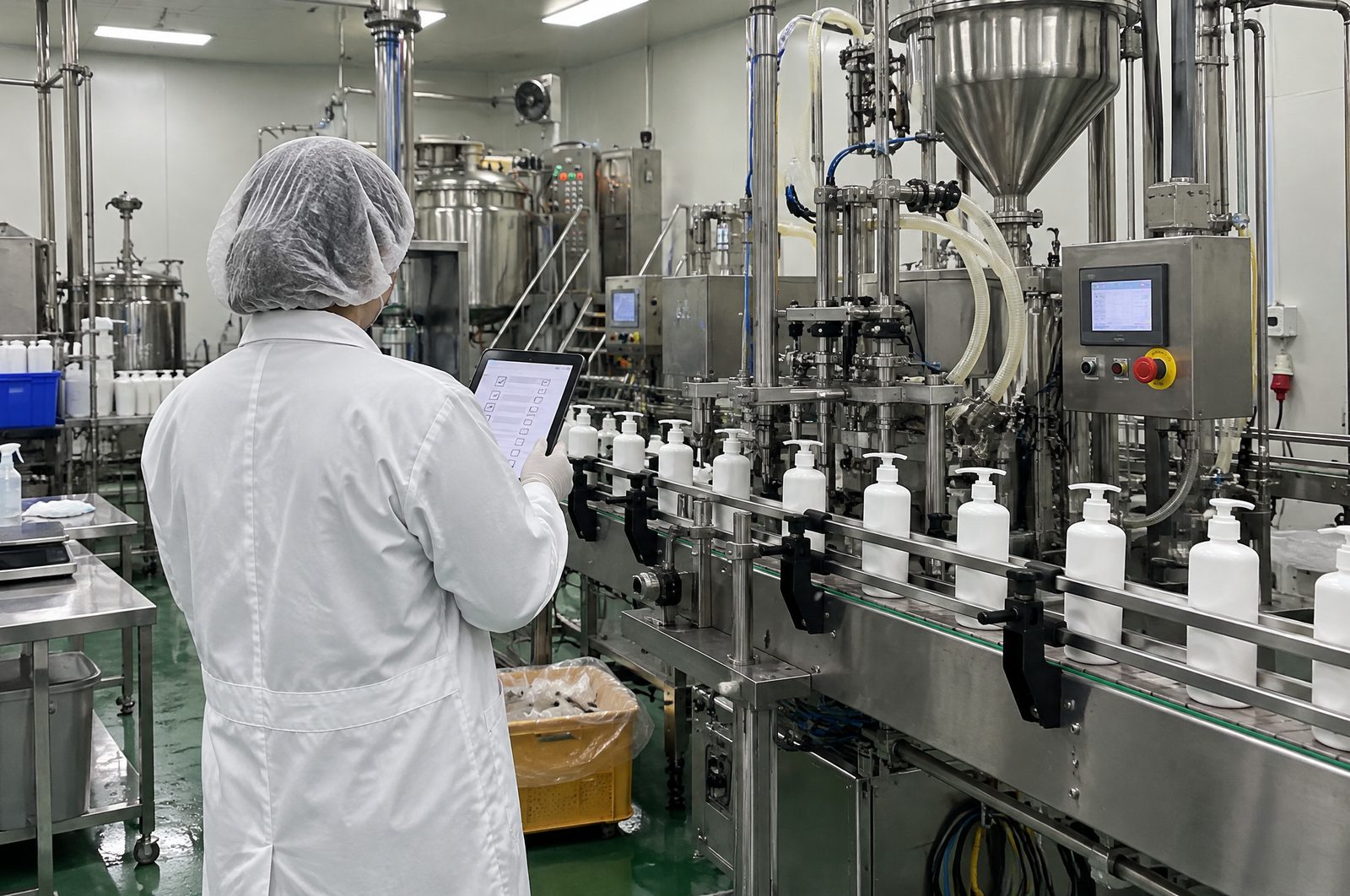 Regulations by countryHow to start a skincare brand in the UK with products made in KoreaThe UK cosmetics rules after Brexit, the Responsible Person, the safety report, SCPN, customs and the official costs in pounds, step by step for Korean-made skincare.
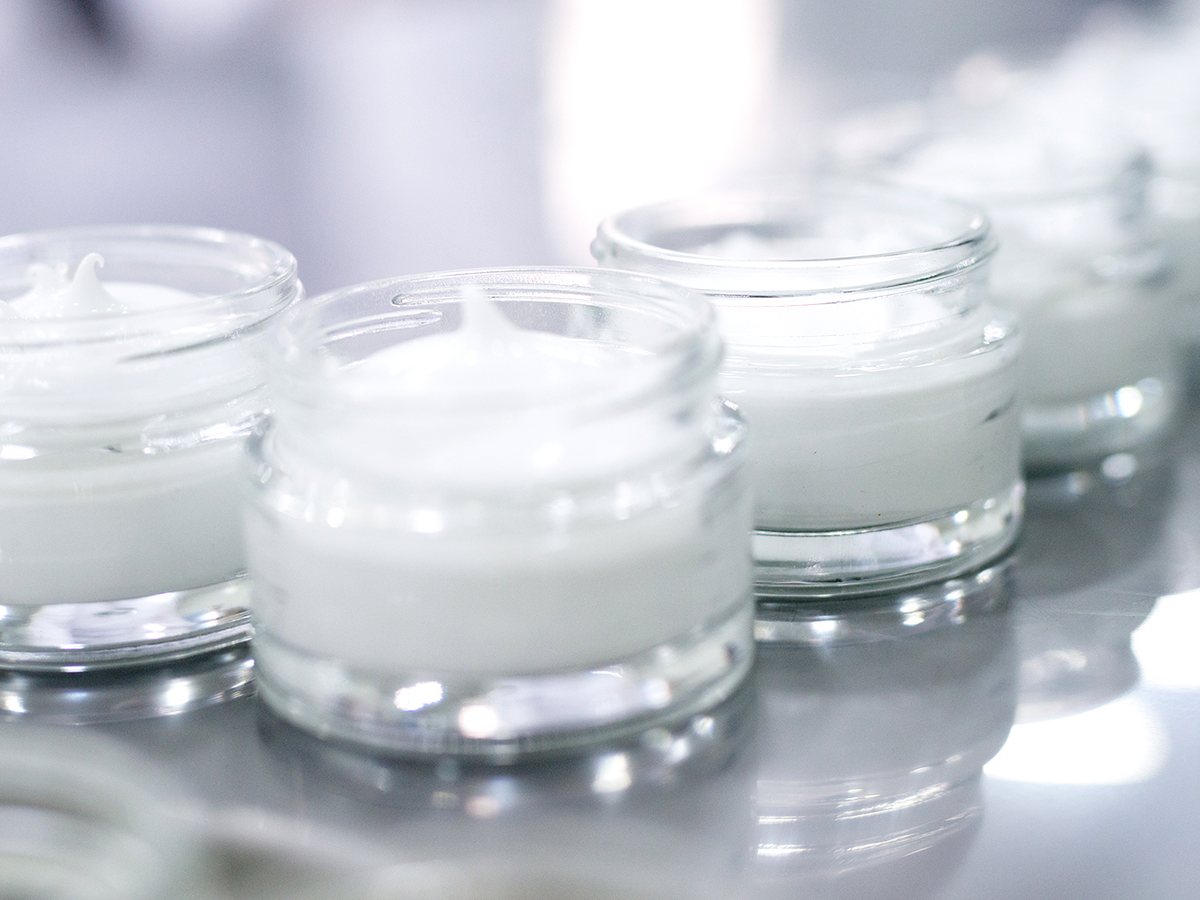 Regulations by countryHow to start a skincare brand in Australia with products made in KoreaAICIS registration, the ingredient labeling standard, the TGA line for claims and sunscreens, and customs and GST, step by step for Korean-made private label skincare.
Products and ingredients
Products and ingredientsWhy Korean sunscreen is banned in the US, and what it takes to sell one legallyNo US law names Korean sunscreen. Sunscreen is a drug in the US, and only filters on FDA's list may be used. Here is what that means for shoppers, sellers and brands in 2026.Products and ingredientsWhy Korean skincare is so good, and when it is not betterA manufacturer's honest answer: what Korea does well, why prices can be low, where the science is thinner than the hype, and how brands abroad make their own.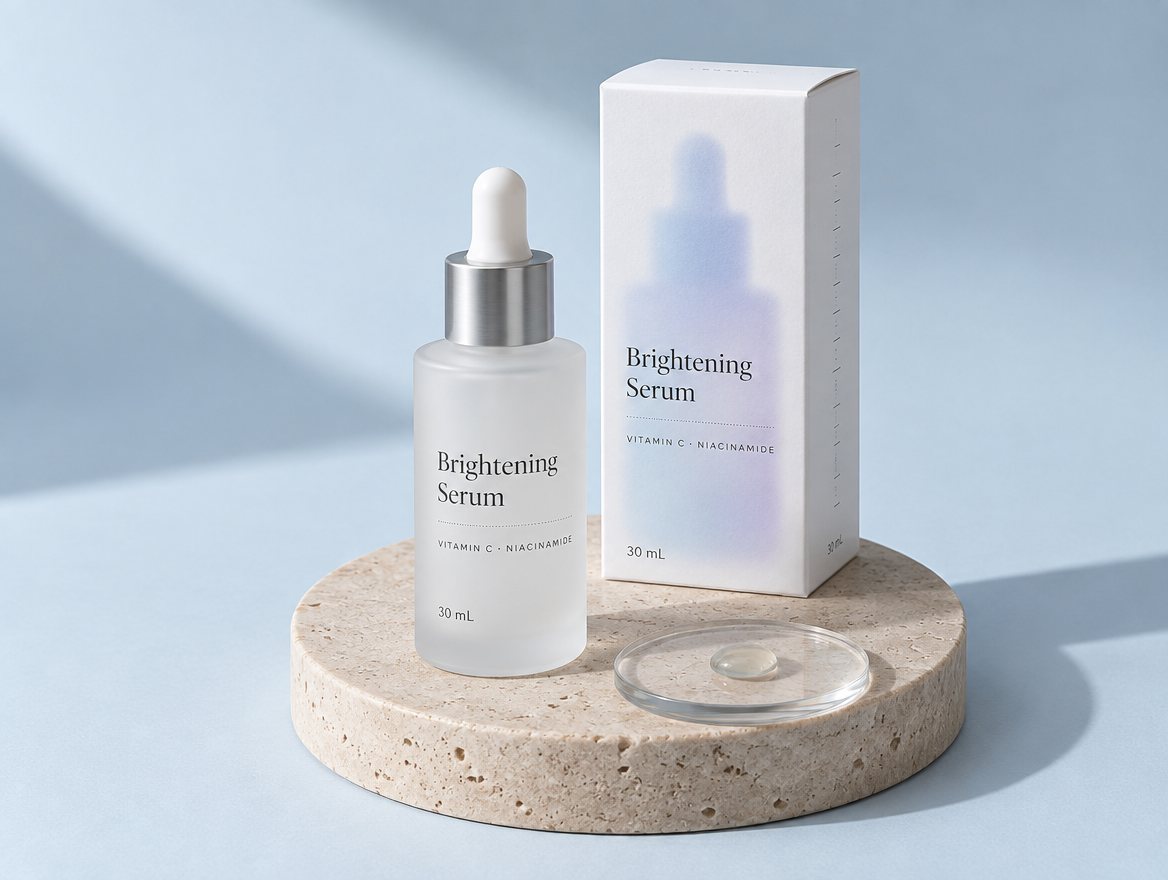 Products and ingredientsPrivate label PDRN serum: what PDRN is, what the evidence shows and how it is madePDRN went from Korean clinic injections to serums, ampoules and creams. Here is what it is, what the studies do and do not show, and how to make and label your own PDRN serum honestly.
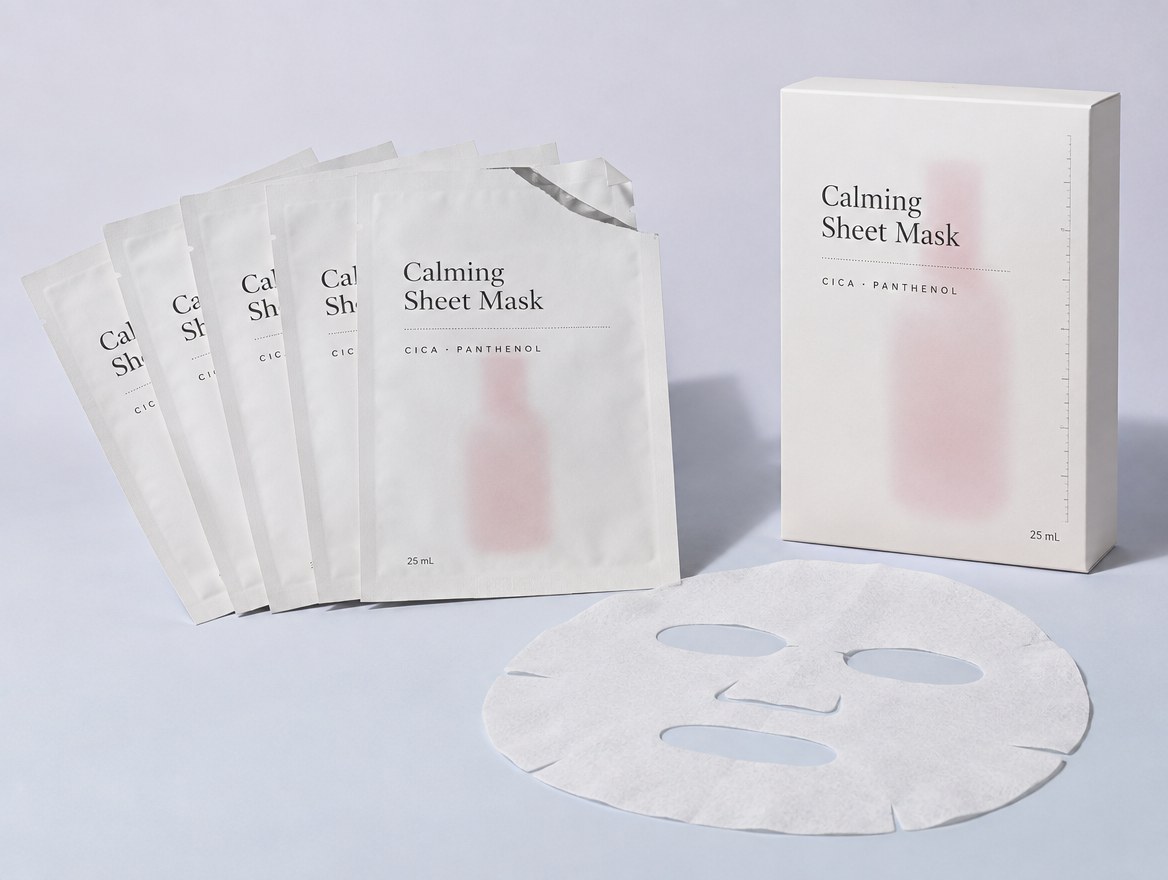 Products and ingredientsHow are sheet masks made? From the sheet and essence to a sealed pouchA sheet mask looks simple, but it is three products in one: a fabric, a liquid and a pouch. Here is how each one is made and put together, and what a brand decides along the way.